
Say Goodbye to Paper Checks with Modern EFT Bank Transfer

What Is an EFT Bank Transfer?
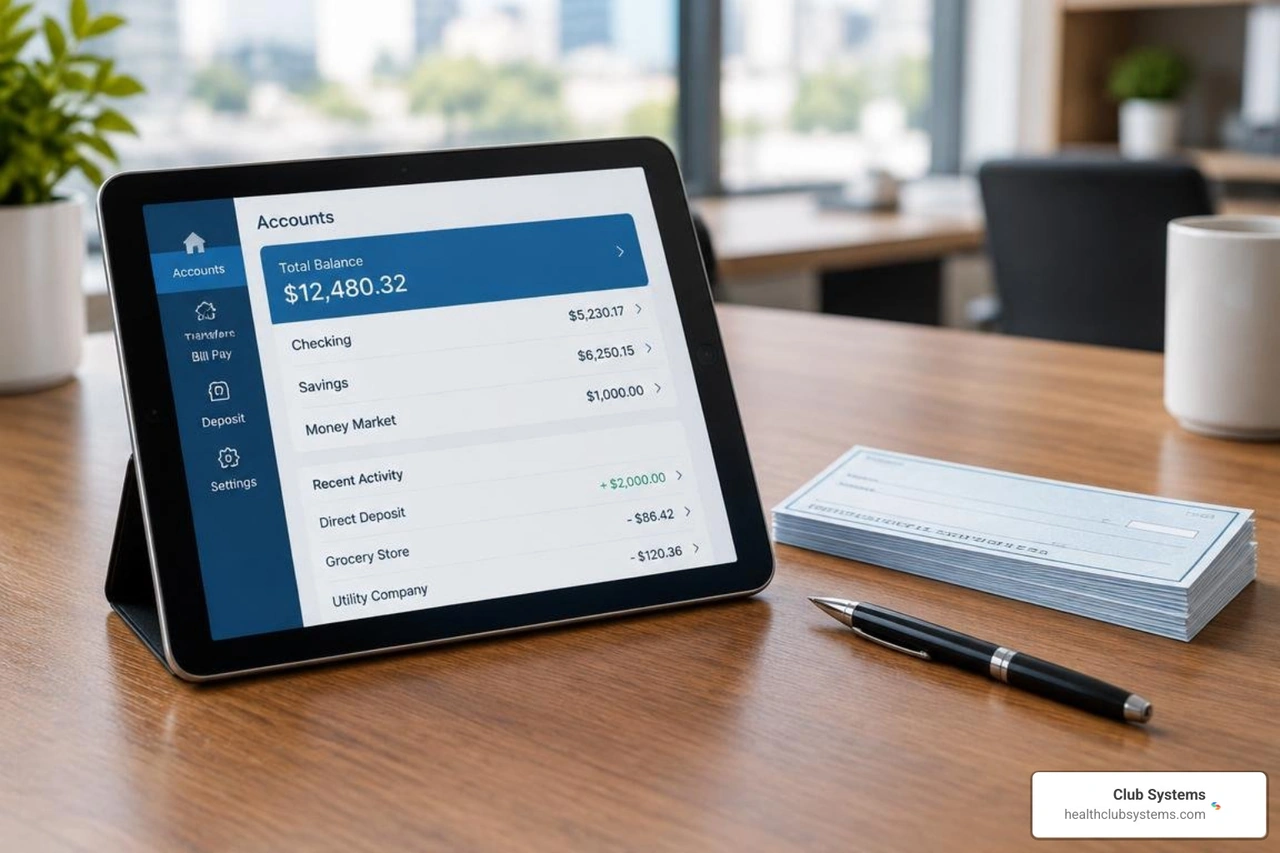
An EFT bank transfer moves money electronically instead of using a paper check. EFT is a broad term that includes ACH payments, bank wires, and debit card payments. For a gym collecting monthly dues, a recurring ACH debit is a common type of EFT: with a member’s authorization, it draws payment from their bank account on a set schedule.
That means fewer checks to collect, deposit, and track. But the right payment method depends on how soon the money is needed, what it costs, and whether the payment will repeat. This guide explains those trade-offs and what to check before moving your gym’s payments online.
I’m Eric A. Speer, owner and CEO of Club Systems. After nearly three decades working with gym management and dues-processing tools, I’ll explain how an eft bank transfer fits into a simpler payment process.

How an EFT Bank Transfer Works from Initiation to Settlement
Moving money digitally might feel instantaneous when tapping a screen, but behind the scenes, a structured banking relay occurs. Understanding this flow helps demystify clearing windows, transaction statuses, and reconciliation reports.

Every transaction relies on four core entities acting in unison:
- The Originator: The individual or business initiating the transfer request (such as a fitness club drafting monthly dues or an employer issuing payroll).
- The Originating Depository Financial Institution (ODFI): The originator’s bank that receives the payment instructions, aggregates them into batches, and submits them into the central clearing network.
- The ACH Operator: The clearing clearinghouse—either the Federal Reserve Bank (Fedwire/FedACH) or The Clearing House (EPN)—that sorts digital payment batches and directs instructions to the proper destination institutions.
- The Receiving Depository Financial Institution (RDFI): The recipient's bank that receives the electronic instructions, validates account active status, and debits or credits the receiver’s balance.
When you submit a payment file, the ODFI validates the account numbers and bundles transactions into batches rather than processing them individually in real time. The ACH operator routes these instructions across financial networks, allowing the RDFI to post entries and settle funds. For institutional and corporate teams managing high-volume files, mastering this operational structure is essential, as detailed in comprehensive banking resources like the Electronic Funds Transfer EFT Overview.
Types of EFT Bank Transfer Options: ACH, Wire, and Direct Debit
Because "Electronic Funds Transfer" functions as an umbrella category for any paperless money movement, several distinct transaction types operate under its canopy:
- Direct Deposit: Funds pushed directly into an individual's checking or savings account. This is the primary method for employee payroll, tax refunds, and government benefits.
- Direct Debit (ACH Draft): Pre-authorized pulls from a customer's bank account. This is the foundational model for subscription models, mortgage drafts, and health club dues.
- Electronic Checks (e-Checks): Digital conversions of paper check data (using the routing and account number) processed electronically via point-of-purchase (POP) or accounts receivable (ARC) networks.
- Point-of-Sale (POS) and Debit Cards: Electronic terminal transactions that query the account balance and debit funds across card networks immediately.
- Wire Transfers: High-priority, real-time gross settlement transactions routed through networks like Fedwire for critical, large-dollar transfers.
When evaluating payment models for facilities, understanding electric fund transfers helps operators match the right electronic channel to each operational demand.
To maintain order across billions of entries, standard standard entry class (SEC) codes categorize each ACH movement:
- PPD (Prearranged Payment and Deposit): Used for consumer-permissioned recurring drafts (e.g., gym memberships) or direct deposits (payroll).
- CCD / CCD+ (Corporate Credit or Debit): Designed for business-to-business transactions, supporting an addendum record of up to 180 characters for remittance data.
- WEB (Internet-Initiated Entries): Consumer-authorized debits submitted via online portals or mobile platforms.
- TEL (Telephone-Initiated Entries): Verbal payment authorizations taken over customer service phone lines.
Key Differences: EFT Bank Transfer vs. Traditional Bank Wire
While a bank wire is technically a specialized form of EFT, businesses treat wires and standard ACH bank transfers as distinct tools. ACH entries batch together for low-cost, multi-day clearing, whereas bank wires require direct, employee-verified execution between institutions for immediate, high-value settlement.
| Feature | Automated Clearing House (ACH) EFT | Traditional Bank Wire | Credit / Debit Card Payments |
|---|---|---|---|
| Typical Settlement Speed | 1 to 3 Business Days (Same-day available) | Same Day (if submitted before cutoff) | Immediate Auth; 1 to 3 Days Settlement |
| Average Cost Per Transaction | Under $0.01 to $1.50 flat fee | $6.00 to $20.00+ outgoing fee | 1.5% to 3.5% plus transaction fees |
| Primary Clearing Network | FedACH / The Clearing House | Fedwire / SWIFT | Visa, Mastercard, Amex, Discover |
| Reversibility / Chargebacks | Reversible under strict NACHA rules | Final and irreversible once settled | Subject to card brand chargeback dispute rules |
| Remittance Capacity | Up to 180 characters in CCD+ addenda | Limited snippet / reference field | Integrated merchant metadata |
| Best Operational Use Case | Recurring dues, payroll, recurring vendor bills | Property acquisitions, large asset purchases | Point-of-sale retail, spontaneous purchases |
Processing Timelines, Fees, and Transfer Limits
Managing business cash flow requires precise knowledge of when funds leave a payer's account and settle into your merchant depository. Processing timelines depend heavily on batch windows, intermediate clearing clearinghouses, and bank deposit schedules.
Factors Influencing Settlement Speed and Cutoff Times
Standard ACH bank transfers typically clear within 1 to 3 business days. However, several institutional variables dictate whether funds arrive on day one or day three:
- Federal Reserve and Bank Holidays: ACH operators and Federal Reserve settlement lines pause on national holidays and weekends. Transfers initiated on a Friday evening or during New York Stock Exchange bank holidays do not enter processing queues until the following business morning.
- Daily Bank Cutoff Windows: Financial institutions enforce strict submission cutoffs—frequently around 4:00 p.m. Eastern Time. Files transmitted after this cutoff roll into the following day's processing queue.
- Prenote Account Verification: When adding a new bank account, institutions may issue a zero-dollar "prenote" entry to verify the routing and account number validity before transmitting live debits. This preliminary check adds 2 to 3 days to initial setup cycles.
- Same-Day ACH Windows: For transactions that require faster turnaround, the ACH network offers multiple same-day processing windows, moving funds within hours when submitted before midday deadlines.
Understanding EFT Fees and Daily Limit Adjustments
The financial advantage of standard electronic transfers over paper checks and credit cards lies in low processing overhead. Credit card merchant processing takes a percentage out of every gross sale (often 2% to 4%), while batch ACH transfers cost pennies per transaction.
However, organizations must prepare for standard account rules and thresholds:
- Return Item Fees: If a drafted account lacks sufficient funds (NSF) or is closed, banks charge return fees. Keeping member accounts validated minimizes these occurrences.
- Daily Transfer Limits: Major financial institutions set daily caps on digital movement. For instance, retail platforms like Fidelity maintain standard daily limits of $100,000 for electronic withdrawals and $250,000 for electronic deposits, compared to $1 million thresholds for manual bank wires.
- Limit Upgrades: Commercial enterprises handling heavy volume can request limit increases by providing underwriting documents, including operational history, merchant balance sheets, and historical chargeback ratios.
Security Measures, Compliance, and Error Resolution
Electronic payments handle sensitive banking data daily. To safeguard consumer assets and business revenue, federal frameworks and private network regulations mandate rigorous security protocols.

Electronic payment channels adhere to interlocking layers of regulatory oversight:
- Regulation E (12 CFR Part 1005): Administered under the Electronic Fund Transfer Act (EFTA), this regulation establishes consumer protections, electronic disclosure requirements, and clear dispute resolution protocols.
- NACHA Operating Rules: The private governing body for the ACH network establishes technical operational baselines, data encryption requirements, and return-rate thresholds for originators.
- Uniform Commercial Code (UCC) Article 4A: Governs commercial wholesale fund transfers, defining legal rights, responsibilities, and error resolutions for non-consumer wire transfers.
Under the consumer protection rules under the Electronic Fund Transfer Act, financial institutions must follow strict guidelines for error investigations, preventing unwarranted consumer liability when issues are reported promptly.
Protecting Against Fraud and Unauthorized Charges
Fraud mitigation requires technical encryption alongside procedural safeguards. The legal architecture establishes clear consumer protections:
- The 60-Day Notice Window: Consumers have up to 60 calendar days from the issuance of their periodic bank statement to report unauthorized electronic debits.
- Tiered Liability Thresholds: Under federal rules, consumer liability for lost or stolen access devices is capped at $50 if reported within two business days. If reported between 2 and 60 days, liability rises to $500, capping financial exposure for account holders.
- Multi-Factor Authentication (MFA) & Encryption: Modern payment portals require multi-factor verification, TLS encryption for web data transmission, and tokenized bank detail storage, ensuring raw routing and account numbers are never exposed in plain text.
Handling Failed Transfers and Account Updates
Failed drafts drain operational time if handled manually. The most frequent points of failure in batch EFT processing include:
- R01 – Insufficient Funds (NSF): The account lacks cleared funds to cover the draft.
- R02 – Account Closed: The member closed the account without updating their billing file.
- R03 – No Account / Unable to Locate: An incorrect routing transit number (RTN) or transposed account number was entered.
- R07 / R10 – Customer Dispute / Unauthorized: The consumer filed an unauthorized draft claim with their RDFI.
When processing returns, modern platforms leverage automated account updater technology to seamlessly refresh expired, lost, or updated payment credentials behind the scenes. Adopting preventative verification routines is critical for avoiding missed member payments across recurring billing cycles.
Strategic Benefits of Automating Electronic Payments for Businesses
Manually handling paper checks creates administrative drag. From envelope opening and physical log books to manual check scanner jams and in-person bank runs, paper processing drains staff resources.
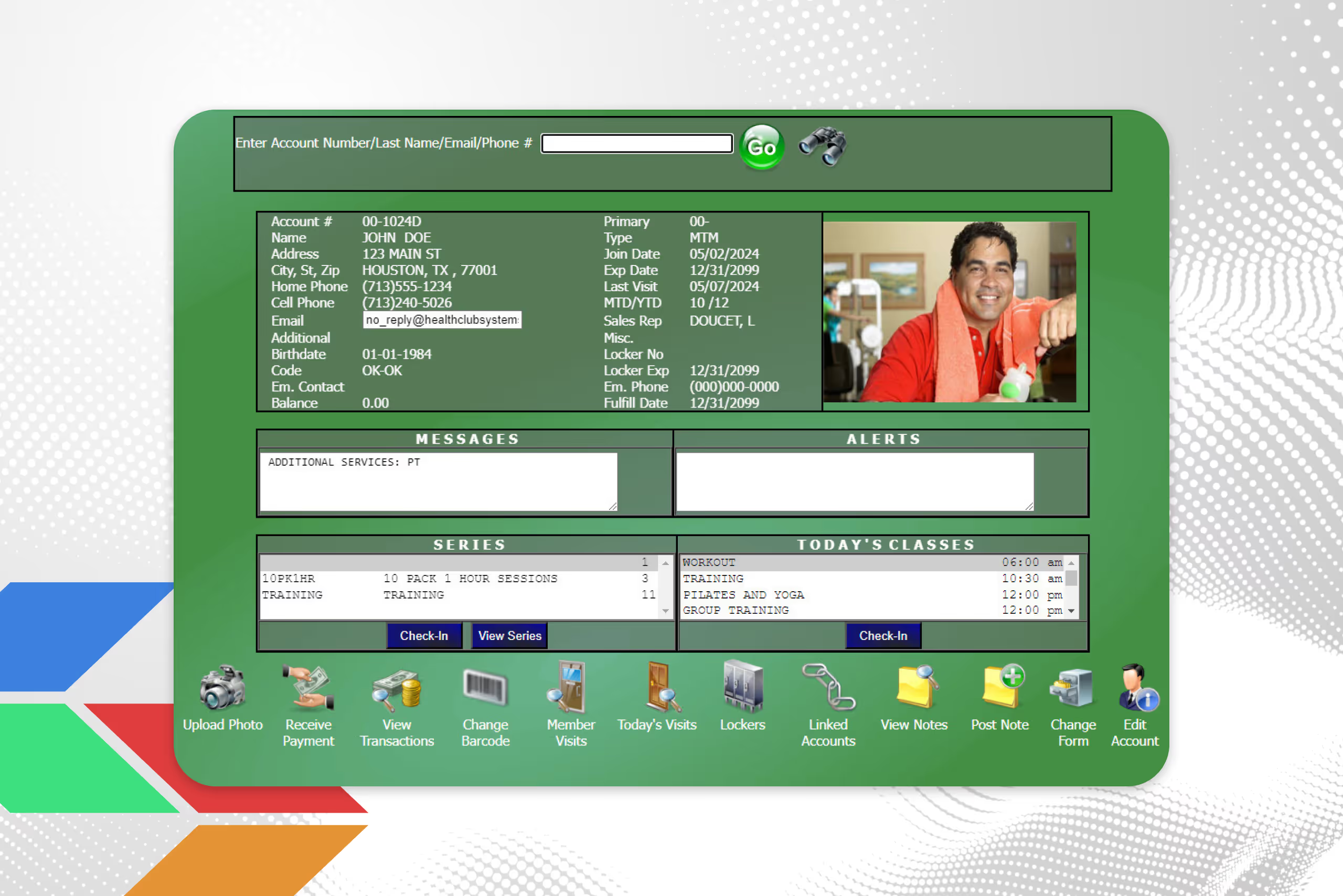
Automating bank transfers transforms business back-office workflows by replacing manual touchpoints with programmatic schedules.
Replacing Paper Checks with Automated Direct Debits
Transitioning away from physical checks offers immediate operational stability:
- Predictable Cash Flow: Rather than hoping member checks arrive in the mail on the first of the month, scheduled ACH drafts initiate automatically on chosen dates, evening out operational revenues.
- Reduced Overhead: Eliminating envelopes, postage, deposit slips, and manual ledger entries frees administrative staff to focus on customer service and facility growth.
- Lower Transaction Overhead: Unlike card payments that slice percentage points off every transaction, automated direct debits carry low flat fees, preserving profit margins.
Implementing recurring EFT processing provides predictable revenue collection. Understanding the fundamentals of automatic membership payments enables business owners to construct seamless subscription billing operations.
Streamlining Dues and Managing Collections
Automating electronic payments reaches beyond primary batch drafts—it protects accounts receivable when transfers stumble. A modern billing platform couples batch origination with automated recovery tools:
- Smart Retries: Automated retries reschedule NSF returns for dates aligned with standard payroll cycles, resolving soft declines without human intervention.
- Integrated Dues Management: Operating through streamlined dues processing keeps recurring payments, POS sales, and class schedules managed in one unified system.
- Graceful Collections: When accounts experience extended defaults, integrated collections services step in with professional, compliant recovery protocols, preserving customer relationships while capturing earned revenue.
Frequently Asked Questions About Electronic Transfers
How long does an EFT take compared to a wire transfer?
A standard electronic funds transfer processed through the ACH network typically takes 1 to 3 business days to clear and settle into a destination account. Same-day ACH transfers can accelerate this timeline to within several hours if submitted prior to midday banking cutoff windows. In contrast, domestic bank wire transfers clear individually in real time—typically within a few hours on the same business day, provided they are submitted before the bank's afternoon cutoff (often 4:00 p.m. ET).
Are there account types that cannot process EFT payments?
Yes. While standard consumer and commercial checking and savings accounts seamlessly process EFT drafts, certain specialized financial accounts restrict or disallow automated electronic clearing. These exclusions frequently include specific non-prototype accounts, SIMPLE IRAs, Keogh plans, self-directed brokerage setups, and select self-employed 401(k) structures. Always verify account eligibility with the depository institution before configuring direct ACH debits.
What information is required to initiate an electronic transfer?
To execute an electronic bank transfer, an originator must collect:
- The account holder's legal name or commercial entity title.
- The 9-digit ABA Routing Transit Number (RTN) identifying the receiving bank.
- The recipient's unique bank account number.
- The account classification (Checking vs. Savings; Consumer vs. Corporate).
- A signed, digital, or recorded authorization consent record compliant with NACHA and Regulation E guidelines.
Conclusion
Relying on paper checks exposes businesses to manual processing friction, unneeded administrative labor, and delayed cash flow. Modernizing your payment infrastructure through secure, automated electronic transfers unlocks reliable revenue collection, lower processing overhead, and robust accounting visibility.
At Club Systems, we help gym and health club owners eliminate payment headaches with integrated management software that combines membership scheduling, 24/7 access control, cash-discount processing, and a high-collection-rate dues service backed by dedicated, US-based support. Discover what business owners need to know about EFT payments and build a modern, paperless financial workflow for your facility today.
Tired of Struggling with Your Gym's Software?
Simplify your operations, save money, and get the support you need with Club Systems.