
Set a Drop-In Fee Your Members Will Actually Thank You For


Compare Drop-In Fees Before You Set Your Price
For drop-in fees when booking a class, compare three options: a single visit, a class pass, and a membership. Published U.S. single-class prices range from $20 to $35 in the examples reviewed. Passes can lower the cost per class, while some memberships include classes at no extra charge.
For your gym, start with the cost of running the class and the number of spots available. Then make the booking price and rules clear before anyone pays. A fair drop-in fee gives occasional visitors a useful choice without taking away the value of membership.
I'm Eric A. Speer, owner and CEO of Club Systems. Since joining the company as a programmer in 1995, I've worked across gym operations, sales, and management, bringing that experience to questions like class booking for class drop-in fees.
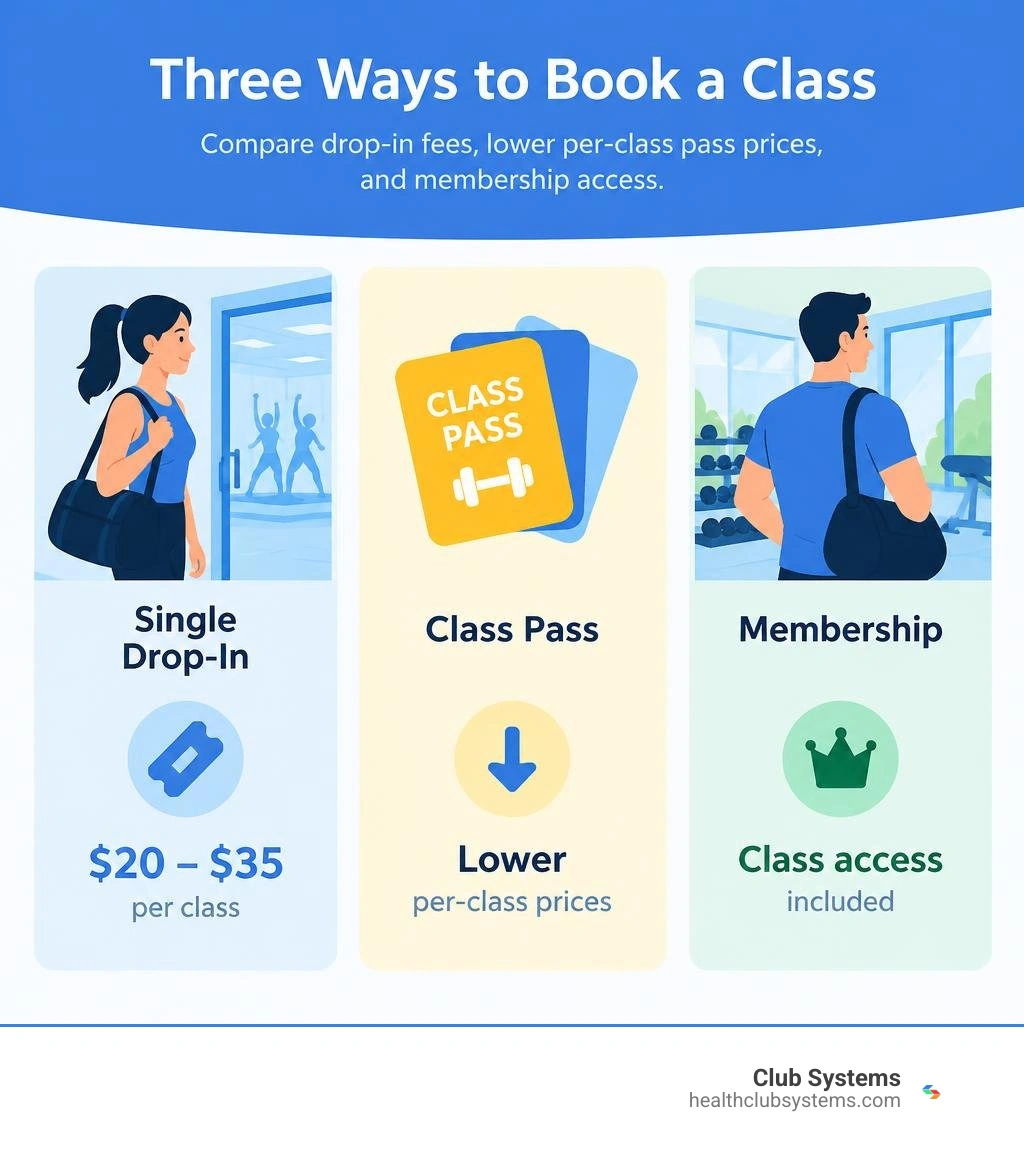
Class booking for class drop-in fees: compare real-world prices
Every facility approaches pay-as-you-go training from a slightly different angle. When travelers, curious locals, or shift workers look for options, they want simple pricing without lock-in contracts. Comparing how different studios, recreation centers, and fitness centers structure their rates helps us establish a sustainable benchmark.
How to compare drop-in fees when booking a class
Single-class drop-in rates vary widely across regions, disciplines, and venue types. A boutique yoga studio in a dense metropolitan market incurs vastly different overhead than a community pool or an unstaffed dance studio.
- Boutique Fitness and Specialized Studios: Metropolitan yoga studios often set single-session drop-in passes around $35. Dedicated CrossFit and functional strength facilities frequently charge a flat $30 per class. At Chicago Strength, for instance, a single $30 drop-in pass provides access across multiple locations for offerings like CrossFit, HYROX, or open gym. Similarly, Urban Athletics in Houston prices single visits at $30.
- Dance Centers and Specialized Arts: At Peridance Center, open adult dance classes are priced at $27 per drop-in session across styles ranging from beginner ballet to advanced hip hop. Abroad, studios like USC Studios in Stockholm charge between 240 and 260 SEK (around $22 to $25) for single drop-in dance sessions, while Eastbourne Dance Space sets standard adult drop-in classes at £10.00.
- University Recreation Facilities: Institutional gyms often use tiered pricing to reward primary members while still accommodating guests. At Boston University's FitRec center, full-time students and long-term members enjoy free drop-in access, while monthly members pay $20 per class and non-members pay $25.
- Municipal and Community Centers: City recreation hubs, such as those in Boulder or Lafayette, Colorado, frequently include unlimited drop-in fitness classes in standard daily general admission or annual pass tiers.
| Facility Type | Typical Pricing Structure | Sample Single Drop-In Rate | Primary Customer Base |
|---|---|---|---|
| Boutique Yoga & Pilates | Flat pay-as-you-go rate | $35.00 | Local non-members, travelers |
| Functional Fitness / CrossFit | Per-class drop-in | $30.00 | Traveling athletes, guests |
| Open Dance Studios | Per-class rate by level/style | $27.00 / 240–260 SEK / £10.00 | Dancers, trial students |
| University Recreation | Tiered by membership status | $20.00 (member) / $25.00 (public) | Students, faculty, public guests |
| Municipal Rec Centers | Included with daily entry | $7.00–$12.00 (Daily admission) | Local community, families |
How class passes compare with drop-in fees when booking a class
A single drop-in ticket is convenient, but multi-class passes (punch cards or block bookings) bridge the gap between complete freedom and a recurring membership. Class cards reward upfront commitment by reducing the effective cost per workout while giving clients up to 12 months of scheduling flexibility.
At Urban Athletics, buying a 5-class punch card costs $125 ($25 per visit), a 10-class card costs $185 ($18.50 per visit), and a 20-class card drops the rate to $300 ($15 per visit). In the UK, Eastbourne Dance Space offers 6-week block bookings for £51 (£8.50 per class) versus their £10 drop-in rate, with an extra 5% discount for clients booking three or more classes weekly. In Stockholm, USC Studios courses let dancers buy 5-class cards for 1,150 SEK or 10-class cards for 2,300 SEK (230 SEK per session instead of the 240–260 SEK single rate).
Studios often establish clear terms for these cards:
- Defined Expiration Windows: Single passes commonly expire within 14 to 30 days, while 10- or 20-class packs typically carry 4- to 12-month validity limits.
- Non-Transferability: Passes remain tied to one participant profile rather than shared across friends.
- Reactivation Options: Facilities like Peridance allow students to extend an expired 10-class package for 30 additional days for a nominal $20 fee.
Understanding these pricing structures helps club owners navigate different types of gym pricing models and balance single-ticket revenue with long-term member value.
| Access Option | Cost Commitment | Cost Per Workout | Best For | Typical Limitations |
|---|---|---|---|---|
| Single Drop-In | Lowest total cost ($20–$35) | Highest per session | Out-of-towners, one-off visitors | Short validity (14–30 days) |
| Class Punch Card (5–20) | Moderate ($125–$300) | Moderate ($15–$25) | Bi-weekly visitors, seasonal guests | 4–12 month expiration dates |
| Monthly/Annual Membership | Ongoing recurring dues | Lowest per session | Dedicated 2+ times/week attendees | Autopay contract, cancellation terms |
Set a drop-in fee that feels fair to participants and sustainable for your facility
Finding the right price point requires balancing facility expenses with client perceptions. If a drop-in is priced too low, group fitness rooms get overcrowded, which frustrates monthly dues-paying members. If it is priced too high, you turn away curious newcomers who might eventually join as full members.
Build a fee around class value and operating costs
To price single sessions sustainably, start by calculating your direct and indirect costs per class:
- Instructor Compensation and Formats: Premium formats with certified coaching—such as aerial yoga, master dance classes, or small-group TRX—command higher pay. Some studios implement minimum enrollment rules (such as at least two students) to protect coaching pay.
- Studio Capacity Limits: A studio with 30 cycle bikes has more room to absorb drop-ins than a reformer studio capped at 8 spots. When space is constrained, single-visit pricing must reflect that scarcity.
- Processing and Administration: Credit card processing and administrative overhead take a bite out of single-transaction purchases.
- Local Market Positioning: Research nearby studios. If local boutique studios charge $30, a $15 fee might make your program look less professional, while $45 could deter sign-ups entirely.
Offer discounts without undercutting memberships
Selective discounting lets you support specific community groups while protecting core membership sales.
- Students, Seniors, and Unions: Peridance discounts their $27 regular adult drop-in to $24 for students, seniors (55+), and union members, while offering professional dancer rates as low as $16.
- Trial Fee Credits: Studios like Folk Yoga in San Francisco allow drop-in guests to apply their initial $35 class fee directly toward an introductory multi-week membership. This removes friction for prospective members testing the water.
- Member Guest Privileges: Many gyms allow members to bring a guest for a discounted drop-in fee ($10–$15) or provide a set number of free guest drop-ins each quarter.
Structuring thoughtful pricing tiers helps facilities explore ways customized membership plans can increase gym retention by welcoming new faces without devaluing recurring agreements.
Make class booking, cancellations, and waitlists easy to understand
An organized booking process turns casual visitors into regular attendees. When policies around sign-ups, cancellations, and waitlists are transparent, staff spend less time answering basic questions and members experience fewer scheduling headaches.
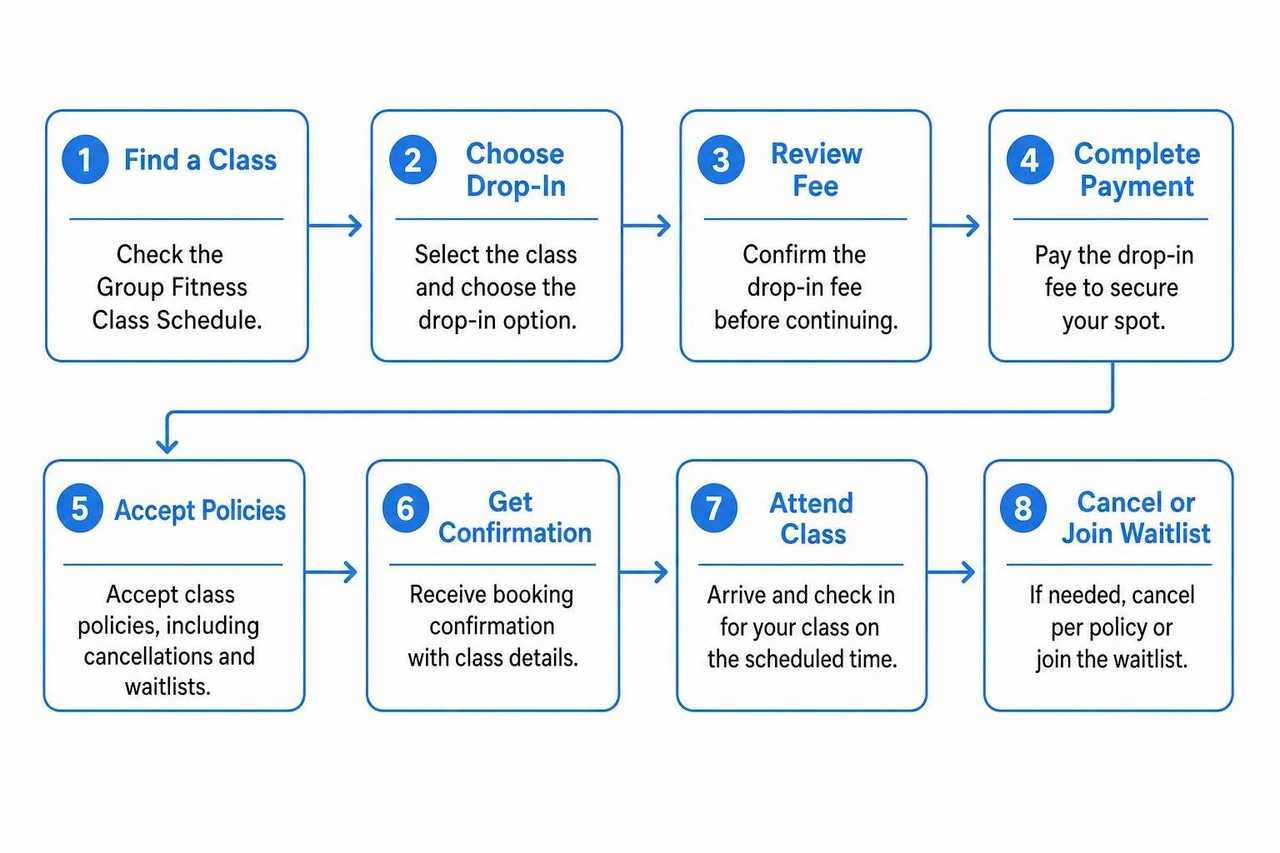
Facilities like the Bob L. Burger Recreation Center Group Fitness Class Schedule show how municipal facilities balance open drop-in access with reserved classes for equipment-heavy sessions.
Match registration rules to class demand
Different formats require different sign-up systems:
- Short Advance Windows: Setting a 24- to 48-hour advance booking window prevents members from reserving weeks of classes they might not attend. The Trails Recreation Center in Centennial, CO, opens registration exactly 48 hours ahead (at 7:00 AM for morning sessions and 4:00 PM for afternoon sessions) to keep access fair.
- Digital Self-Service and Waivers: Modern booking allows participants to select a time, sign an online liability waiver, and pay digitally before stepping into the studio.
- App-Based Door Access: Some unstaffed or boutique studios use automated access apps. At USC Studios in Stockholm, guests receive a mobile digital key after booking online, letting them enter without a front-desk check-in.
- Physical Pass Handouts: In high-volume community centers without mobile check-in for every room, front desks hand out color-coded class passes starting 30 minutes before start time to manage room capacity.
Managing these workflows is much simpler when simplifying group class scheduling with gym management software.

Publish clear cancellation, refund, and no-show policies
Empty spots in full classes cost revenue and keep waitlisted members from working out. Clear attendance policies keep everyone accountable:
- Cancellation Windows: Most facilities require cancellations between 1 and 12 hours before class start. Canceling inside that window forfeits the single drop-in credit.
- Refund and Transfer Terms: Strict "all sales final" policies are standard for drop-ins, but allowing guests to transfer their credit to another day when requested early keeps goodwill intact.
- No-Show Penalties: At Bob L. Burger Recreation Center, logging three no-shows within 30 days automatically pauses a user's booking privileges for 7 days.
- Automated Waitlists and Spot Releases: When someone cancels more than an hour ahead, automated systems promote the next waitlisted person. For late cancellations or empty spots at class start, unfilled positions can be offered to standby guests waiting in the lobby.
Evaluating these rules helps operators determine what club owners need in gym class scheduling software.
Help participants choose the right class and arrive prepared
Drop-in guests come from diverse fitness backgrounds. Helping them choose appropriate formats and arrive properly equipped prevents mid-class surprises and injuries.
Explain class types, age limits, and prerequisites
Clear class descriptions should outline intensity levels, target demographics, and required experience:
- Class Disciplines: Group fitness schedules generally span active aging (SilverSneakers), mind-body (Hatha, Vinyasa, Yin yoga), aquatic workouts, cycling, dance (Zumba, LaBlast), and high-intensity resistance training (TRX, Les Mills BodyPump).
- Skill Levels: Labeling classes as Beginner, Intermediate, Advanced, or Open Level sets clear expectations. While most dance and conditioning sessions welcome all levels, technical formats like CrossFit WODs often require prior experience or a completed "Elements" on-ramp program.
- Age Policies: Facilities often require independent participants to be at least 15 or 16 years old. Youth aged 12 to 14 can usually participate in group fitness only under direct adult or guardian supervision.
Set expectations for a first visit
Providing a quick checklist for new attendees ensures their first workout runs smoothly:
- Attire and Footwear: Wear breathable athletic clothing. Specify footwear by activity—clean sneakers for dance cardio or TRX, cycle shoes with compatible cleats for cycling, barefoot or grip socks for Pilates and yoga, and proper swimwear for aqua fitness.
- What to Bring: Remind guests to bring a refillable water bottle, a sweat towel, and their own yoga mat or props if the facility does not provide them.
- Arrival Timing: Instruct newcomers to arrive 10 to 15 minutes early to find parking, check in, meet the coach, and get equipment set up. Many studios enforce a strict no-late-entry policy once the warm-up has started.
Frequently asked questions about drop-in classes
What is the difference between a drop-in and a membership?
A drop-in is a single pay-per-class purchase with no recurring billing, registration fees, or cancellation terms. A membership charges a monthly or annual fee in exchange for unlimited or discounted class access.
Can complete beginners drop in on group fitness classes?
Yes. Most formats—including indoor cycling, beginner yoga, mat Pilates, and Zumba—are open to all fitness levels. Instructors routinely provide movement modifications for beginners.
What should I bring to my first drop-in session?
Bring comfortable workout clothes, supportive athletic shoes, a water bottle, and a photo ID for your initial check-in and liability waiver.
Conclusion
Drop-in pricing should be straightforward: fair to the guest, profitable for your facility, and protective of your membership value. When you publish clear pricing, outline registration and cancellation rules, and help visitors arrive prepared, single-visit bookings become an effective way to introduce new clients to your community.
At Club Systems, we help club owners manage these operations with integrated management software that brings memberships, class scheduling, point-of-sale, automated billing, and 24/7 access control into one dependable platform. Supported by high-collection-rate dues services and real, US-based support, we make managing classes straightforward and profitable. Explore integrated gym management software to see how our tools simplify group class bookings and facility management.
Tired of Struggling with Your Gym's Software?
Simplify your operations, save money, and get the support you need with Club Systems.